

Chimney and Gas Fireplace Service for Lakewood Rentals, Logged Unit by Unit
Inspected, serviced, capped and written up unit by unit.
Each card is a service we book for rental owners, HOA boards and managers. Combine several on one building visit, or order a single item for one unit.
Chimney Sweep
Brushed flue, vacuumed firebox and a dated sheet per unit, timed around move-outs or the first cold snap.
Chimney Inspection
Unit-by-unit findings with photos, in a format an owner, a board or an insurer can file as is.
Chimney Repair
Brick, mortar and flue faults fixed against a written, signed scope that names the unit.
Fireplace Inspection
The room side of the system: firebox, damper, hearth and trim gaps, recorded for each unit.
Fireplace Repair
Firebrick, panels, dampers and doors fixed after a tenant report, with the close-out filed.
Chimney Level 2 Inspection
Flue video for $400 per flue, for the buyer, lender, board or carrier who will read the report.
Chimney Cap Installation
Stainless caps measured flue by flue, quoted on site, logged against each unit.
Chimney Flashing Repair
Roof-joint leaks traced and resealed, with the affected unit named in the write-up.
Chimney Masonry Repair
Failing brick and joints over walkways and parking repaired to an approved, written scope.
Chimney Rebuilds
Full or partial rebuilds planned around permits, tenant notice and parking, all in writing.
Fireplace Cleaning
A turnover-ready firebox: ash out, hearth vacuumed, glass and surround wiped, wear noted.
Gas Fireplace Cleaning
Every gas unit in a building cleaned on one round, each with its own CO reading on file.
Gas Fireplace Repair
Starting and flame faults traced part by part, with the part, date and CO reading on the unit record.
Fireplace Remodel
Surrounds, hearths and mantels replaced in tougher finishes, after the firebox and flue are checked.
Fireplace Inserts
Gas inserts at $2,850 to $5,700 installed, swapping smoky open fireboxes for switch-on heat.
Pellet Stove Repair
Feed, ignition and control faults named in writing, with a repair or replace call for the unit.
Wood Stove Repair
Seals, glass, firebrick, baffle and pipe brought back to spec, with each change logged.
Gas Logs
Log sets matched to the opening, damper locked open, model and date filed for each unit.
Chimney Seismic Retrofit
Quake risk on older brick stacks assessed, with anchoring and rebuild options priced in writing.
Chimney Crown Repair
Crown cracks sealed or the crown replaced, with the top-floor unit named in the write-up.
Dryer Vent Cleaning
Dryer ducts in units and shared laundry rooms cleared, with airflow recorded machine by machine.
Chimney Liner Installation
Stainless liners for cracked clay flues and new inserts, with video before and after on file.
Chimney Leak Repair
Leak sources traced and fixed for $570 to $3,400, with the water-damaged unit recorded.
Chimney Waterproofing
A breathable coating on repaired brick, with the product and date added to the building file.
Chimney Damper Repair
Jammed or leaky dampers fixed or swapped for a top-mounted type, logged per unit.
Chimney Chase Cover
Rusted lids on framed chimneys replaced with a cover made to measure, unit noted.
Owners, agents, boards: pick your page
Bexley Chimney Group keeps one page for each kind of client we serve: sellers of older houses, agents with steady deal flow, managers who answer to insurers and lenders, and owners facing structural repairs.
Selling an older house
Clay tile, cast iron dampers and brick with no steel in it: what a $400 Level 2 reads on a pre-1980 house before it changes hands.
Real estate agents
One contact for every listing and every buyer: the same request, the same report layout and the same $400 Level 2 on each file.
Property managers and HOAs
A dated page for each fireplace, ready for an insurer's renewal or a lender's file, at $56 per fireplace.
Up to code repairs
Cracked crowns, loose brick, bracing and rebuilds first, then the rest of the repair list, with our prices where we publish them.
Rental chimney work across Lakewood and the cities beside it.
140 city pages, each covering the local rental housing and how a multi-unit visit is planned there.
At a Glance
Lakewood
Where routes start
Per Unit
How every report is organized
Lakewood
Most-booked city
Owners with property in several cities can send every address on one request.
Lakewood
Lakewood Plan tract city
Morning cloud in May and June, marine air, mild winters. Rule 445 can halt wood fires on alert days, November to February, yet gas units are not subject to it, so each unit file records which fuel it burns.
Cerritos
Planned suburb by the Auto Square
Santa Ana gusts, the dry fall and winter kind, can lift a cap held by too few screws, so cap anchors are a line item on every Cerritos unit sheet. The 2008 and 2014 quakes shook here too.
Long Beach
Port city, mostly renters
For landlords near the harbor, salt is the clock: steel caps and step flashing corrode sooner than inland. Long Beach owners also carry 1933 in the record, the Newport-Inglewood quake whose damage here produced the Field Act for schools.
South Gate
Old factory town, southeast county
Old masonry here has quake exposure, the Newport-Inglewood Fault being a few miles west. Sea air does reach South Gate, only less of it, so our cap and hardware notes usually read moderate rust, not severe.
More cities
136 more cities on the full list
Open the full list to find the city your property is in.
Access, records, rules and prices
What landlords, HOA boards and managers ask before they send us a list of units.
Can you work around tenants who are home during the day?
Yes. Give us the unit numbers and any access limits, and we agree a window with you or your site contact. If you prefer, we reach tenants directly using notice wording you approve. Roof work can often go ahead without entering a unit; firebox work cannot.
How is the report laid out for a building with several units?
One report per building, with a section for each unit. Every section lists the flue, the findings with photos, and a priority. A summary page at the front shows which units need work, so a board or owner can approve repairs in one sitting.
Which inspection level does a rental property need?
Level 1 covers what is visible and reachable, and most owners order it on a yearly cycle. Level 2 adds recorded video of the flue and a look where the chimney runs through concealed parts of the building; it fits a sale or transfer, a chimney fire, or a strong quake. Level 3 involves taking off drywall or brick, and we suggest it only when the video gives a reason.
One chimney on our building holds several flues. How is that priced?
Each flue is its own passage, so each is inspected and written up separately, even inside one brick stack. A stack that serves a ground-floor unit and an upper unit counts as two line items: Level 1 is $56 per flue and Level 2 is $400 per flue.
A tenant reports a gas smell near the fireplace. What happens first?
The tenant leaves the unit without touching switches or the fireplace controls, and phones the gas utility or 911 once outside. When the utility has confirmed the supply is safe, book us through the contact page and we track down and repair the fault on the fireplace itself.
Do units with a gas fireplace need carbon monoxide alarms?
Yes. Under state law, owners of rental housing must fit CO alarms in any dwelling that has an attached garage, a fireplace, or an appliance burning fuel. We do not install alarms, but every gas fireplace visit includes a CO reading in the room, and the report notes it if no alarm was seen.
Can tenants burn wood on any winter night?
Not always. Lakewood falls under the South Coast Air Quality Management District, and its Rule 445 lets it restrict wood burning on poor-air days in the colder months. Gas fireplaces are exempt from those restrictions, which is one reason owners convert rental units to gas, along with the lighter upkeep.
Can every gas fireplace in a building be serviced on one visit?
Where access allows, yes. We work through the building on a set route, cleaning each unit and logging a carbon monoxide reading. Units we cannot get into on the day are listed so you can arrange a return.
Why is brick work not priced over the phone?
Brick work turns on things only a look can settle: how many faces are affected, how deep the mortar has worn, and whether the stack has moved. After the visit you get a written scope with a price, and nothing starts until it is signed.
Can the report go to our insurer or HOA board?
Yes. List the people who should have it, such as the carrier, the board secretary or an owner, and we send it to each. It is written in plain terms, with photos and a priority on each item, so it can be filed without a rewrite.
A gas unit's pilot lights and then goes out. Is that a large repair?
Usually not. The common cause is a worn thermocouple or thermopile, the small sensor that holds the gas valve open while the pilot burns. Dirt on the pilot or a weak valve can do the same. We test each, replace the failed part once you approve the price, and log a CO reading when done.
Do caps matter if nobody uses the fireplace?
Yes. An open flue still takes in rain and nesting birds, and the damage shows up as rust, stains or a smell inside the unit. A cap is quoted after we measure, and it is logged against the unit it covers.
Another question about your buildings? Put it in writing with the address.
Ask Through the Contact PageYour tenants live with the fireplace. You live with the paperwork.
Bexley Chimney Group works out of Lakewood for people who own or run rental housing: single landlords, HOA boards and management firms. Most of the work is in Lakewood, Cerritos, Long Beach and South Gate, with the wider county booked by request.
Our clients rarely see their chimneys. A tenant does, or an insurer asks, or a sale is coming. What they need from us is a clear answer per unit: what is there, what condition it is in, and what it costs to put right.
So each visit follows the same order: agree access, inspect or service each unit, photograph what we find, and return one report with a price on every repair. Work starts once the owner has approved it in writing.
- Access
- Agreed with the manager first
- Units
- Worked one at a time, each logged
- Sign-Off
- Owner approval before any repair
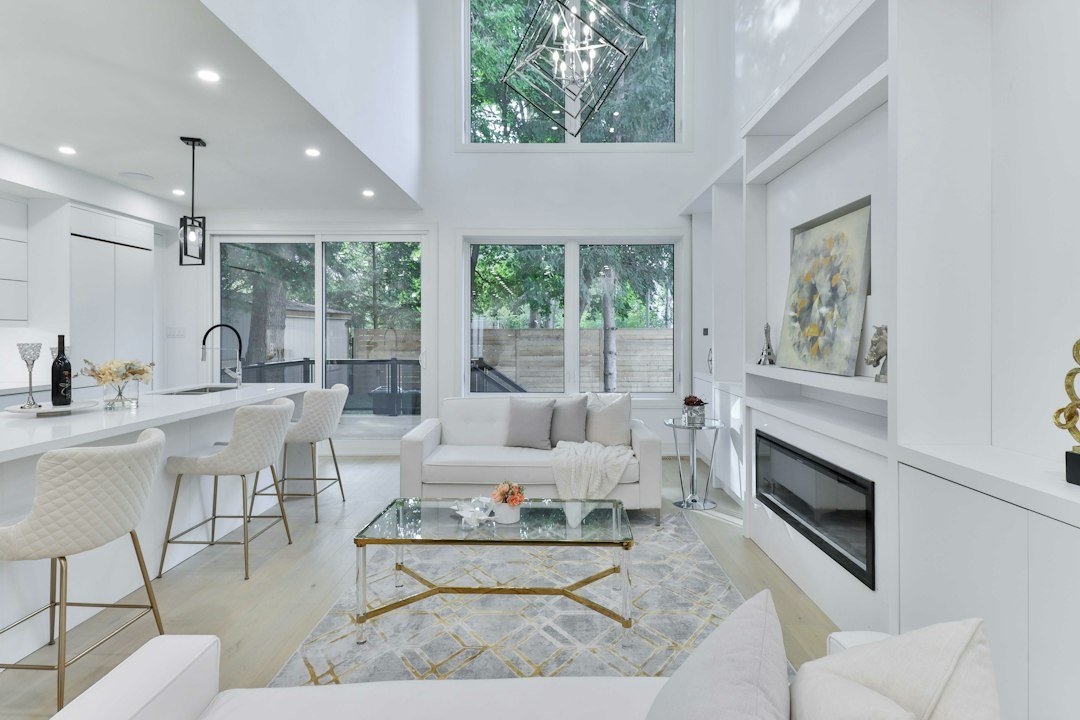
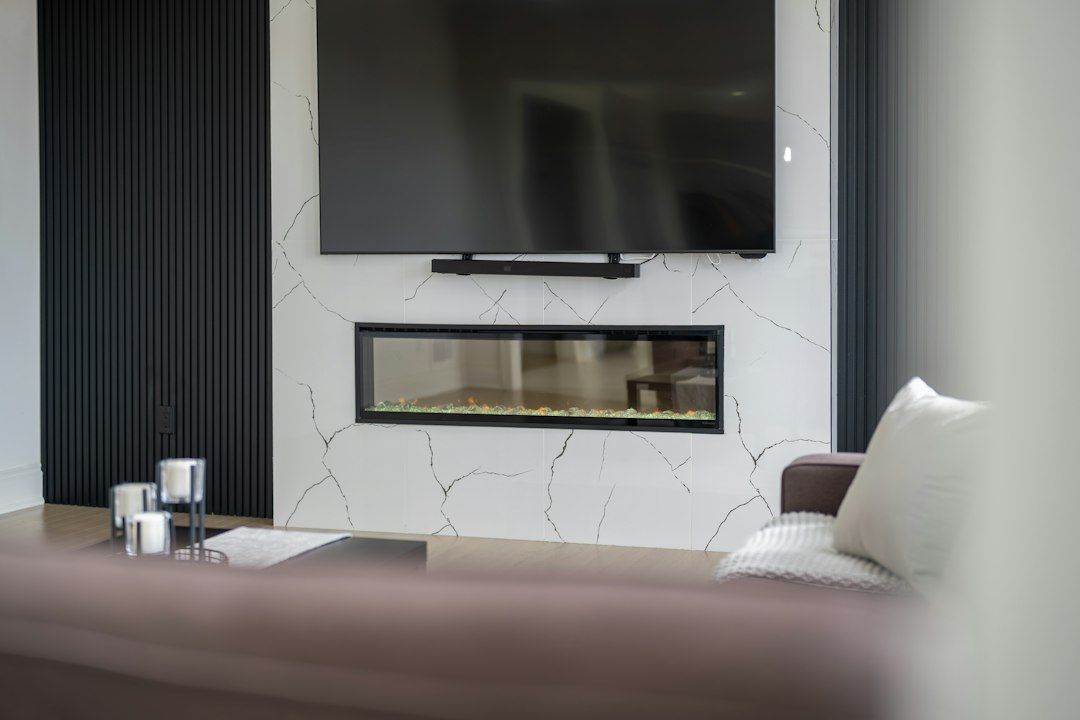
Records First
Every visit leaves a dated, photographed record for each unit, in a form an owner, board or insurer can file.
Tenant-Aware Scheduling
Entry windows and notices are agreed with the manager before we arrive, and time inside occupied units is kept short.
Written Approval
No repair starts without a signed scope and price. Owners decide; we carry out what was approved.
Lakewood Base
We work from Lakewood across the nearby cities, where 1950s tract homes, apartment blocks and condo buildings make up much of the rental stock.
Access, unit work, report, sign-off
The sequence holds for a Lakewood duplex and for a condo board with dozens of fireplaces: agree access, work each unit, report, then wait for approval.
Send the List
Use the contact form to give us addresses, unit count, fireplace types and any access rules. Say who should receive the report.
Set the Window
We propose visit times and agree tenant notice with you or the site contact. Roof-only work is flagged, so tenants know when we need to come in and when we do not.
Work Unit by Unit
Each unit is inspected, cleaned or repaired in turn, with photos taken before and after. Any unit we cannot reach is logged for a return visit.
Report and Scope
You receive one report per building with a page for each unit, findings ranked by urgency, and a written price for any repair.
Sign-Off and Close
Repairs start only after you approve them. Closing photos and the date go back into the same file, so each item has a start and a finish.
Know the condition of every flue before a tenant, buyer or insurer asks.
How many units, and where?
Leave a number and a line on the property. We phone back to plan the visit order.